What Are Planetary Hours? Complete Beginner’s Guide
Ever feel like some hours of the day just go better than others? Ancient astrologers had an explanation for that: planetary hours. This old system says every hour of the day and night belongs to a different planet. Each planet brings its own kind of energy.
What Are Planetary Hours?
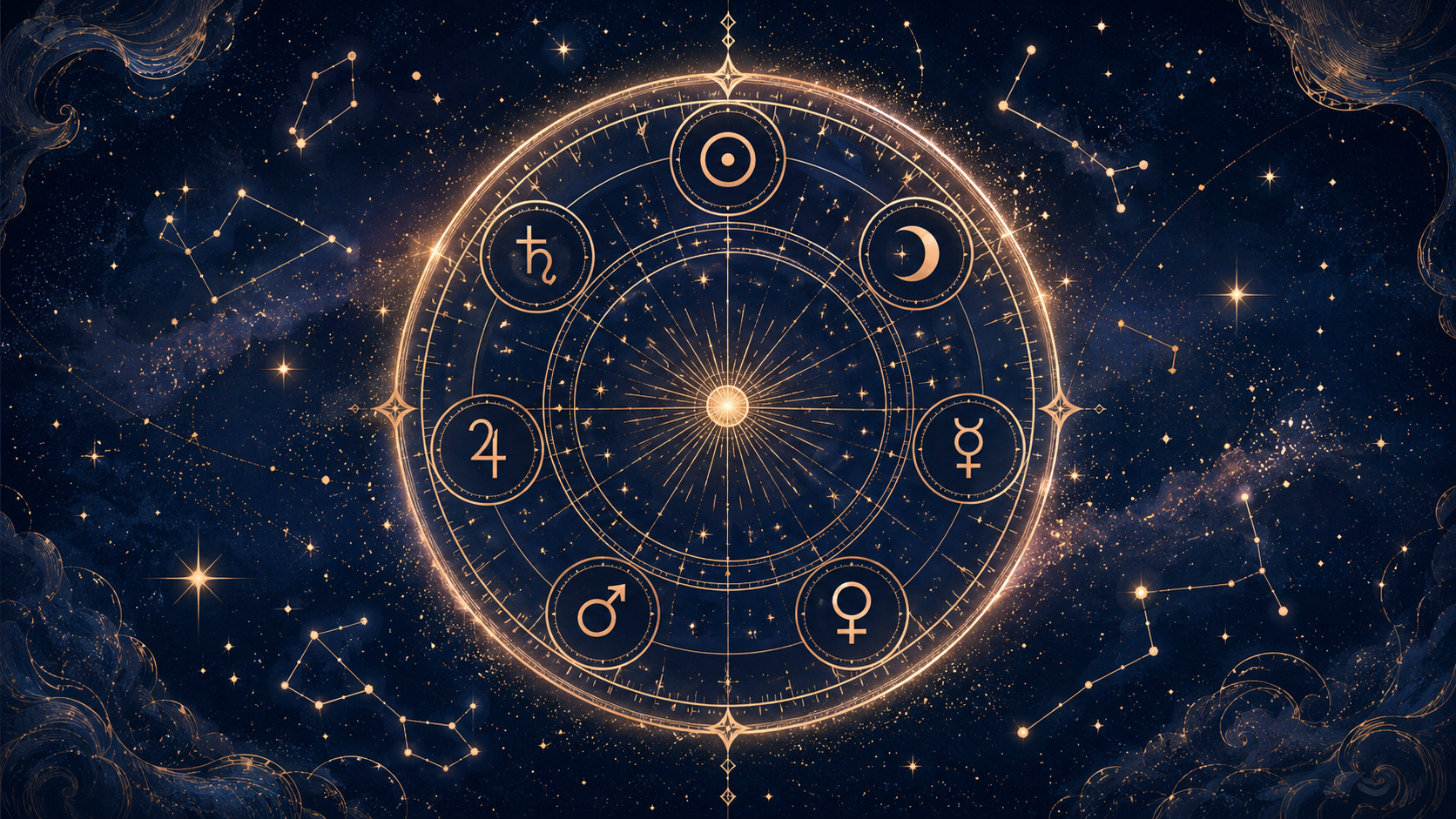
Planetary hours go back thousands of years. They split up the day and night into hours ruled by seven planets: Saturn, Jupiter, Mars, the Sun, Venus, Mercury, and the Moon. But here’s the twist. These aren’t the same 60-minute hours on your phone. Daylight splits into 12 hours, and nighttime splits into 12 hours too, no matter how long the day actually is. So in summer, when days run longer, each daytime “hour” stretches past 60 minutes. In winter, they shrink shorter.
Each hour takes on the personality of whichever planet rules it. This is actually where the days of the week get their names. Sunday takes its name from the Sun. Monday comes from the Moon. Tuesday, Wednesday, Thursday, and Friday follow the same pattern with Mars, Mercury, Jupiter, and Venus. Saturday closes the week out with Saturn. Each day borrows its name from whichever planet rules that day’s very first hour.
The Seven Planets and What They Rule
The planets always follow the same order, on repeat, all day and all night:
Saturn → Jupiter → Mars → Sun → Venus → Mercury → Moon (then it starts over)
Here’s what each planet’s hour is generally good for:
- Saturn: getting serious, staying disciplined, finishing things up
- Jupiter: growth, luck, and good opportunities
- Mars: action, courage, and getting things done
- Sun: confidence, being seen, and stepping into the spotlight
- Venus: love, beauty, and creative stuff
- Mercury: talking, texting, emails, and signing things
- Moon: gut feelings, rest, and emotions
How Planetary Hours Actually Work
Each day starts its first hour with whichever planet rules that day of the week. On a Sunday, the very first hour after sunrise belongs to the Sun. After that, the planets cycle through in order for the rest of daylight. Then they keep going through all 12 nighttime hours until the sun comes up again.
Daylight length changes throughout the year, so these hours stretch or shrink to match it. They aren’t a fixed 60 minutes like the clock on your wall. Luckily, our free planetary hours calculator does this math for you instantly.
Why This Actually Matters
Planetary hours give you a simple way to work with the day’s energy instead of against it. You don’t have to wait around for a big retrograde or major astrology event. Your birth chart shows your big-picture personality. Planetary hours work more like a daily cheat sheet. They help you pick better timing for everyday stuff, like starting something new or having a tough conversation.
For example, you might skip a Mercury hour for signing something important during Mercury retrograde. Or you could pick a Venus hour for a first date.
Want to go even deeper into how planetary movement gets tracked? Check out Astrology.com for more on the classic planetary systems.
What’s Next
Now that you know the basics, the next step is learning how to calculate your own planetary hours. That means factoring in where you live and when the sun rises and sets. We cover all of it in our next guide, How to Calculate Your Planetary Hours. After that, you can start using specific hours for love, money, and communication in Best Planetary Hours for Love, Money & Communication.
Similar Posts
Best Planetary Hours for Love, Money & Communication
Now that you know what planetary hours are and how to calculate them, here’s the fun part. Let’s talk about the best planetary hours to actually use for the things you care about most: love, money, and communication. Best Planetary Hours for Love When it comes to romance, connection, or anything creative, you want a…
What Is Your Personal Year Number? Your Yearly Numerology Forecast
Your life path number tells you about your lifelong purpose. But numerology also has a number that shifts every single year — one that tells you what kind of energy you’re moving through right now. That’s your Personal Year Number. Think of it as your yearly theme. It won’t tell you exact events, but it…
How to Calculate Your Planetary Hours
So you know what planetary hours are, and now you want to find yours. Good news: you don’t need a math degree or a telescope. You just need a few numbers and a little patience. Here’s exactly how to calculate planetary hours for any day, anywhere. What You Need First Before you calculate planetary hours,…